
Dr. Shore believes the most common destructive source that teeth experience is clenching and grinding. You may be grinding or clenching your teeth without even knowing it — a condition called bruxism.
Bruxism often happens at night, triggered by stress, misaligned bites, or sleep issues. Left untreated, it will wear down enamel, crack teeth, and strain the jaw joint over time.
Teeth Grinding & Clenching (Bruxism)
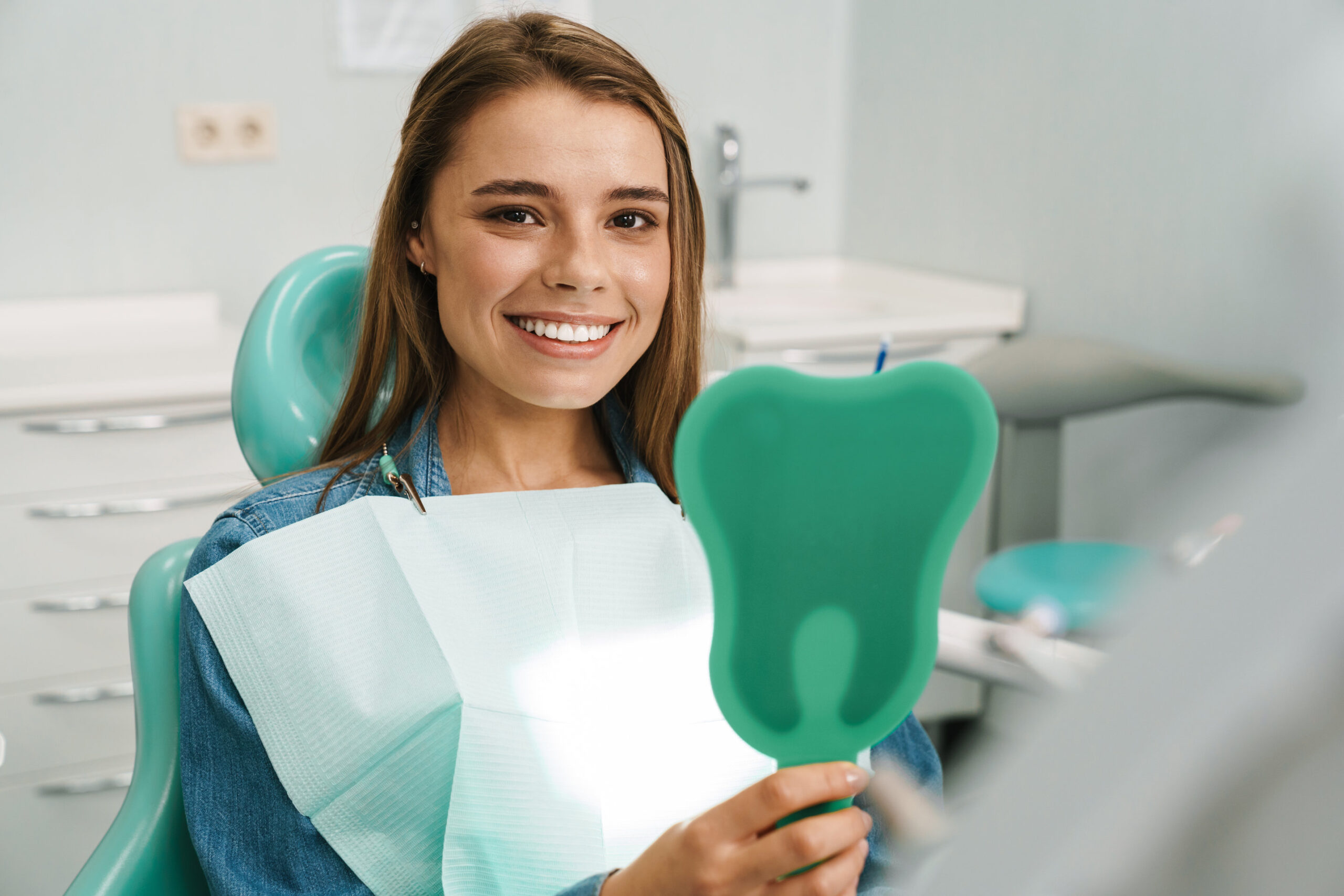
Morning headaches or jaw soreness.
Flattened, chipped, or worn teeth.
Increased tooth sensitivity.
A partner noticing grinding sounds at night.
Tight or tired jaw muscles.
We start with a thorough exam to identify the cause and severity of your grinding. Depending on your needs, treatment may include a custom night guard, bite adjustment, or muscle-relaxing therapy such as Botox (see below).
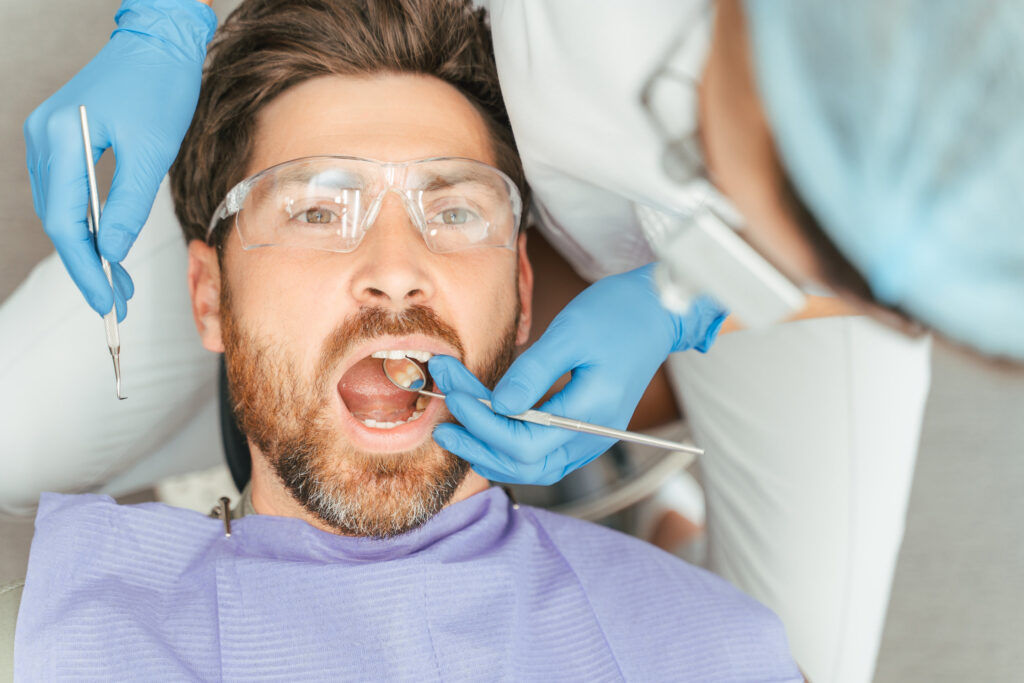
Botox isn’t just cosmetic — it’s an effective, minimally invasive therapy for chronic jaw tension. By relaxing the overactive muscles responsible for clenching and grinding, Botox can ease TMJ pain and prevent further wear on your teeth.
What to expect:
Is it right for you?
Botox for TMJ/bruxism is a great option if you’ve tried a night guard but still experience pain, if you clench during the day as well as at night, or if you’re looking for a non-surgical way to manage chronic jaw tension. During your consultation, we’ll assess your muscle activity and bite to determine if you’re a good candidate.
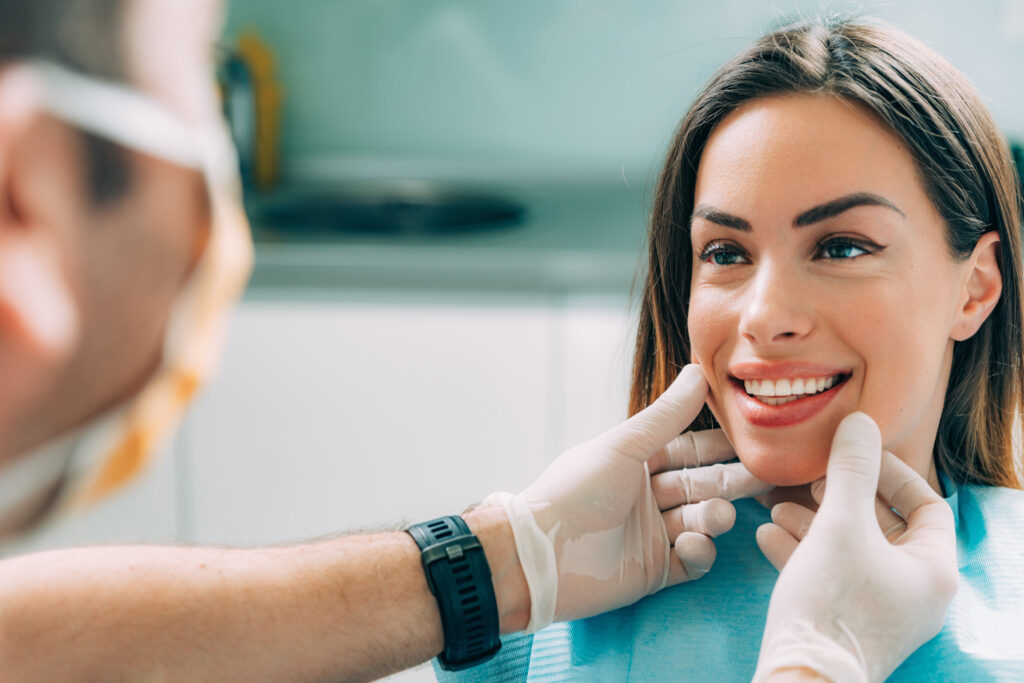
Ready to stop the grinding/clenching. Schedule a consultation to find the right solution for your grinding, clenching, or TMJ symptoms.

Have questions about Botox for TMJ & Bruxism? Here are answers to some of the most common questions we hear from new and returning patients.
TMJ disorder refers to problems with the jaw joint itself, while bruxism is the habit of clenching or grinding your teeth. The two often occur together, since chronic clenching and grinding can place extra strain on the jaw joint and lead to TMJ symptoms over time. We may recommend evaluating both conditions together to identify the root cause of your discomfort.
Botox can relax the overactive jaw muscles that contribute to clenching, grinding, and TMJ-related tension. Dr. Jared Shore offers Botox as a therapeutic treatment focused specifically on relieving TMJ pain and muscle strain, not as a cosmetic procedure. This approach may reduce discomfort and ease the pressure placed on the jaw joint.
Frequent headaches, jaw soreness, clicking or popping sounds when you open your mouth, and worn-down teeth can all point to TMJ dysfunction or bruxism. You might also notice increased tooth sensitivity or tension in your face and neck, especially after waking up. If any of these sound familiar, a closer look at your bite and jaw function may be helpful.

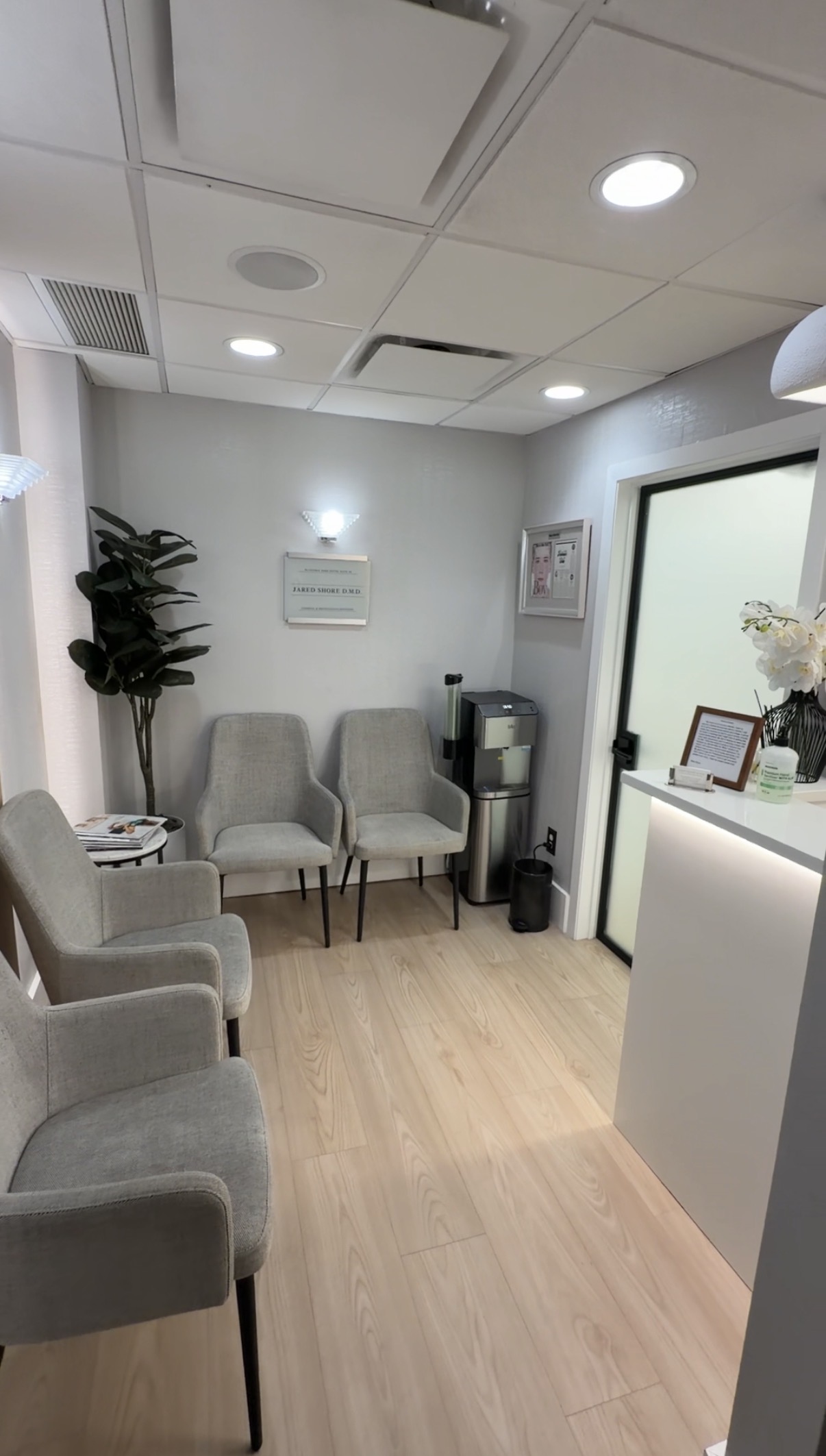
Dr. Jared Shore is committed to delivering gentle, personalized care using the latest dental techniques and technology, from digital X-rays and iTero intraoral scanning to laser dentistry. Whether it’s a preventive checkup, cosmetic enhancement, or restorative treatment, you’re in skilled, trusted hands. We welcome new patients from across Manhattan, including Midtown, the Upper West Side, and the Upper East Side.